

However, changing a brand is not a simple or easy process. It requires careful planning, execution, and evaluation to ensure the brand evolution is successful and beneficial.
There are different reasons why a brand may need to evolve. Some of the common ones are:
To reposition the brand in the market
A brand may need to change its image, identity, or value proposition to appeal to a different or broader audience or to differentiate itself from competitors.
To revitalise the brand
A brand may need to refresh its look, feel, or personality to re-engage existing customers, attract new ones, or regain relevance and excitement in the market.
To expand the brand
A brand may need to extend its offerings, categories, or markets to capture new opportunities, increase market share, or diversify its portfolio.
To align the brand with the business strategy
A brand may need to update its vision, mission, or values to reflect the current or future direction of the company or to communicate its purpose and impact.
Regardless of the reason, a brand evolution should follow some general principles and steps. Here are some of them:
Conduct a brand audit
A brand audit is a comprehensive analysis of the current state of the brand, including its strengths, weaknesses, opportunities, and threats. It also involves assessing the brand’s performance, equity, awareness, loyalty, and perception among customers and stakeholders. A brand audit helps to identify the gaps and areas for improvement in the brand, as well as the potential risks and challenges of changing it.
Define the brand objectives
Based on the findings of the brand audit, the next step is to define the goals and outcomes the brand evolution aims to achieve. These could be related to increasing sales, market share, customer satisfaction or brand awareness; enhancing differentiation, positioning, or reputation; or creating a more consistent, coherent, or compelling brand story.
Develop the brand strategy
The brand strategy is the plan that outlines how the brand will achieve its objectives. It will include defining the target audience, the value proposition, the positioning statement, the personality traits, and the tone of voice for the brand. It also involves developing the visual and verbal elements of the brand identity, such as the logo, name, tagline, colours, fonts, imagery, and messaging.
Implement the brand evolution
The implementation phase is where brand evolution comes to life. It involves applying the new or updated brand identity across all touchpoints and channels, such as websites, social media platforms, packaging materials, advertising campaigns etc. It also involves communicating and educating internal and external stakeholders about the changes and benefits of the new brand.
Evaluate the results
The final step is to measure and monitor the impact and effectiveness of the brand evolution.
You can use various metrics and indicators such as sales figures, customer feedback, surveys, web analytics, social media engagement, media coverage etc.
The evaluation should also include identifying any issues or challenges that arise during or after the implementation and taking corrective actions if needed.
Brand evolution is not a one-time event but an ongoing process. A successful brand evolution requires constant evaluation and adaptation to ensure it is always relevant, responsive and resonant with its customers and stakeholders.
A well-executed brand evolution can help a business grow, innovate and thrive in a competitive and changing market.
Examples of successful brand evolutions include:
Apple
Apple evolved from a computer company to a leading consumer electronics, music, and software business. It also changed its logo, name, and design to reflect its innovation and simplicity.

Coca-Cola
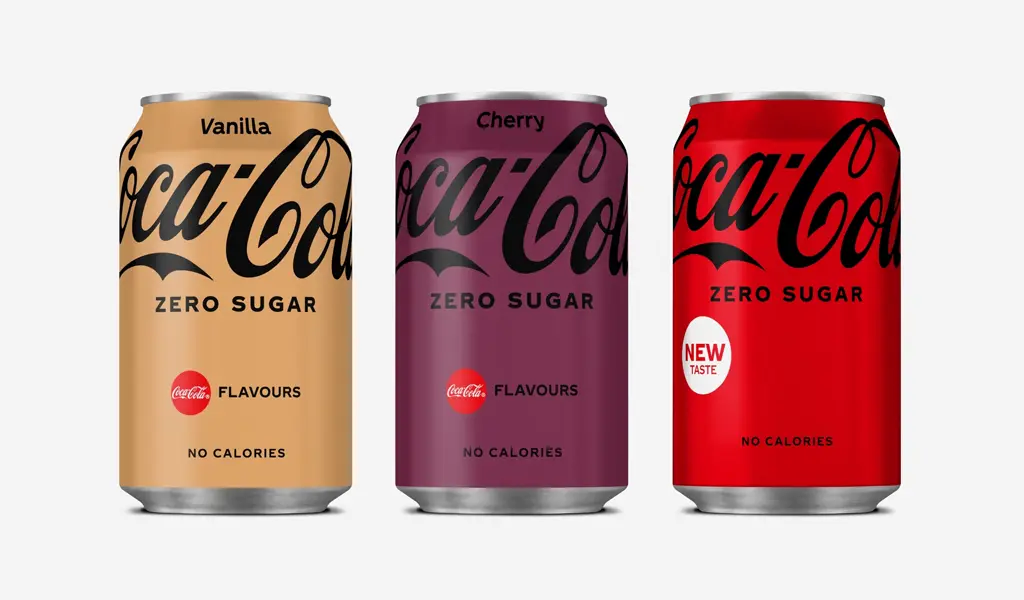
Coca-Cola evolved its brand to adapt to changing consumer tastes and preferences. It introduced new products, such as Diet Coke, Coke Zero, and Coke Life, and updated its packaging, slogan, and logo to appeal to different customers.
McDonald’s
McDonald’s evolved its brand to respond to the growing demand for healthier, sustainable food options. It added salads, wraps, and smoothies to its menu. It improved its sourcing, quality, and transparency standards. It also redesigned its restaurants, logo, and uniforms to create a more modern and inviting atmosphere.

Shell
Shell evolved its brand to align with its environmental and social responsibility goals. It reduced its carbon footprint, invested in renewable energy sources, and supported various community initiatives. It also simplified and refined its logo, name, and colours to convey its vision of a cleaner and brighter future.