
If you’ve ever asked a web agency for a “website” and been met with questions about whether you need a designer or a developer, you’re not alone. The terms web design and web development get used interchangeably all the time, even by people who work in digital. But they’re not the same thing, and understanding the difference can save you time, money, and a lot of frustration down the line.
Whether you’re planning a new website, refreshing an existing one, or simply trying to make sense of a proposal from an agency, this guide breaks down web design vs web development, what each discipline actually involves, where they overlap, and what your business really needs to get the results you’re after.
What Is Web Design?
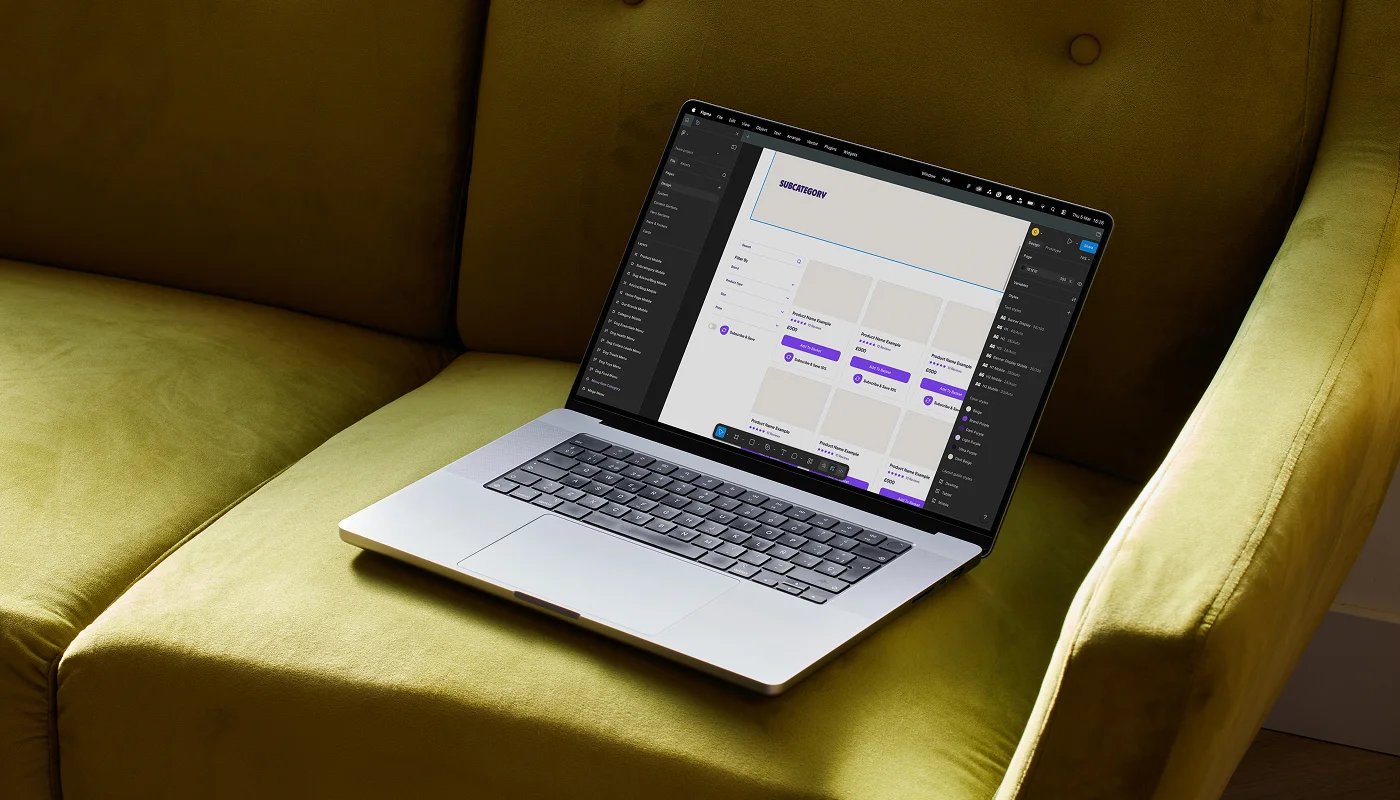
Web design is about how a website looks and feels. It covers everything a visitor sees when they land on a page: the layout, colours, typography, imagery, and the overall experience of navigating the site. A good web designer creates something that’s both visually compelling and easy to use.
More specifically, web design sits within two closely related disciplines:
- User Interface (UI) design covers the visual elements: the buttons, menus, colour palettes, and on-screen layouts that users interact with directly.
- User Experience (UX) design is about making the site intuitive and enjoyable to use. It considers how a visitor moves through the site, where friction points might occur, and how design decisions can guide someone towards taking a specific action. Looking for more insight into UX design? Try our recent blog post exploring what UX design is, and why it matters for businesses.
Web designers typically work with tools like Figma, Adobe XD, and Photoshop to create wireframes (rough blueprints of a page) and mockups (polished visual designs) before any code is written. Think of the web designer as the architect. They produce the detailed plans for what the building will look and feel like, and how people will move through it.
A well-designed website doesn’t just look great. It builds trust, reflects your brand, and helps visitors find what they need quickly. Research consistently shows that users form an impression of a website within milliseconds, which makes design one of the most commercially important decisions a business can make online. You can find a full breakdown of what makes a good website in our handy guide.
At Yellow Circle, our web design service is built around understanding your business goals first. Every visual decision is made with your audience and your objectives in mind, not just aesthetics.
What Is Web Development?
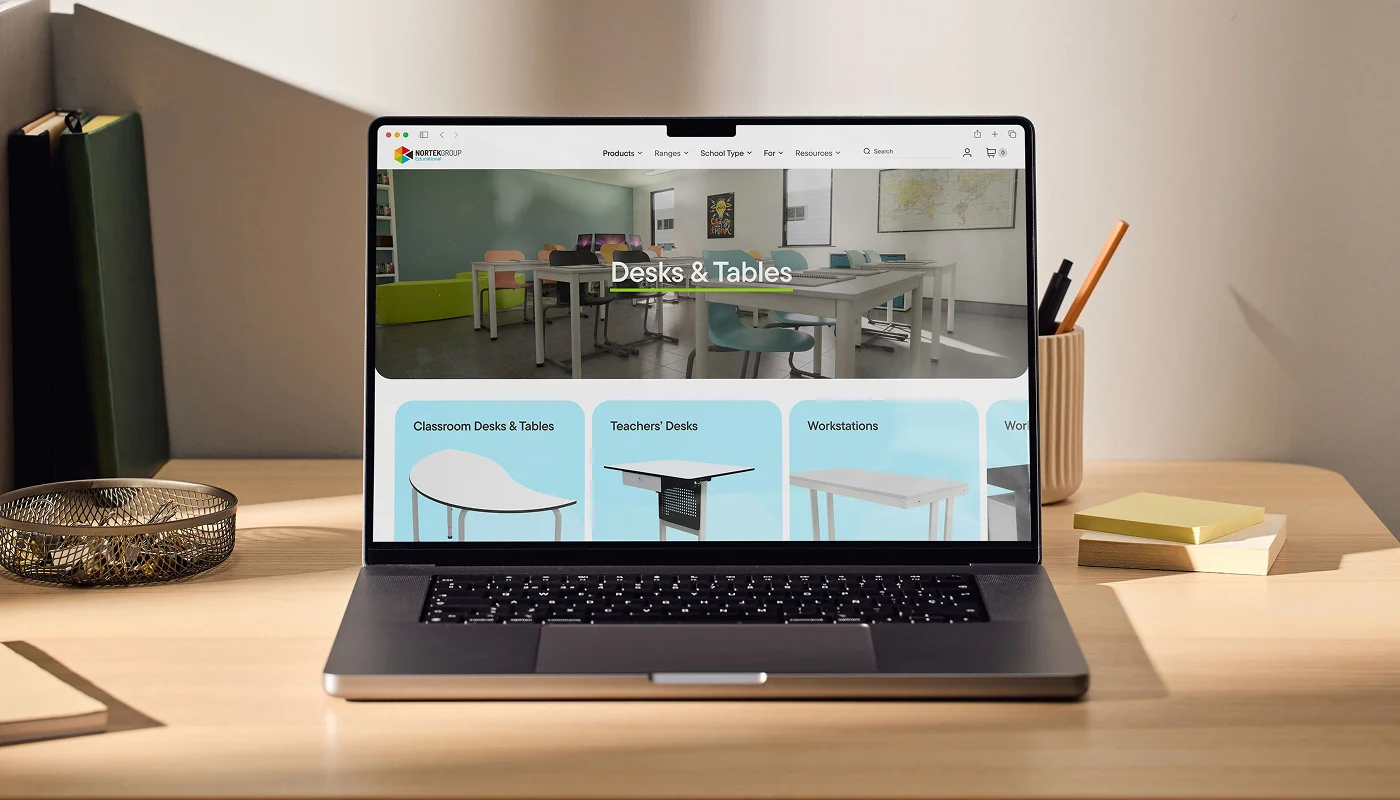
Web development is how a website actually gets built. Where design creates the blueprint, development is the construction. Developers write the code that turns a designer’s visuals into a functioning, interactive website that real users can browse, click through, and convert on.
Web development typically splits into three areas:
- Front-end development handles everything a user sees and interacts with in their browser. Front-end developers use HTML, CSS, and JavaScript to bring designs to life. When you click a button, a form submits, or a menu opens, that’s front-end code doing its job.
- Back-end development runs behind the scenes. Back-end developers manage databases, server logic, and the systems that make dynamic content possible. When you place an order on an ecommerce site, a back-end developer made that happen.
- Full-stack development combines both. A full-stack developer can work across the entire codebase, from what users see to the server infrastructure powering it.
Web developers tend to work in code editors and version control systems like GitHub, and often use frameworks such as React, Vue.js, or Laravel to build scalable, efficient websites.
If design is the architect’s drawings, development is the team of builders, electricians, and engineers who bring the structure to life. Our web development team in Staffordshire works closely alongside our designers so that nothing gets lost between the two disciplines.

Web Design vs Web Development: The Key Differences
Both disciplines are essential to a successful website, but they require different skills, tools, and ways of thinking. Here’s a quick comparison:
| Web Design | Web Development | |
|---|---|---|
| Focus | Visual appearance and user experience | Functionality and technical build |
| Key tools | Figma, Adobe XD, Photoshop | HTML, CSS, JavaScript, PHP, Python |
| Output | Wireframes, mockups, prototypes | Working code, databases, live websites |
| Skills | Creativity, UX/UI, typography, branding | Logic, coding, problem-solving, performance |
| Analogy | The architect | The building team |
Design leans towards creative and visual thinking. Development leans towards logic and engineering. Both require technical knowledge, but they attract different kinds of minds and produce very different outputs.

Where Web Design and Web Development Overlap
In practice, the line between design and development isn’t always clean. Many front-end developers have strong design sensibilities, and plenty of web designers know their way around HTML and CSS. Some professionals work confidently across both.
The overlap is most visible in front-end development. A front-end developer works directly with design assets and translates them into interactive web pages. That process requires a genuine understanding of design principles, not just an ability to write code. Spacing, visual hierarchy, and colour contrast all matter when a developer is implementing a design.
Some businesses work with freelancers or smaller studios where one person handles both disciplines. This can work well for straightforward projects. For more complex websites, having dedicated specialists in each area tends to produce stronger results. Design decisions get more creative attention, and the technical build is cleaner and more robust.
Which One Does Your Business Actually Need?
For most businesses, the honest answer is: both. A website that looks great but doesn’t work properly will frustrate users and hurt conversions. A technically sound site with poor design will struggle to engage visitors or communicate your brand effectively.
That said, what you need at any given moment depends on where you are:
- Just starting out? You’ll need design and development together from the beginning. Getting the design right before any code is written saves significant time and rework later.
- Already have a working website? You might be asking, do I need a design refresh? If the site feels dated or isn’t converting visitors into enquiries. Or you might need development work to add new features, improve loading speed, or connect third-party tools.
- Planning a major rebuild? That’s a full design and development project, and ideally one underpinned by a clear digital marketing strategy so the new site is built to attract and convert the right people from day one.
At Yellow Circle, we often find that businesses come to us thinking they need one specific thing, and what they actually need is a clearer sense of what the website is supposed to achieve. Once that’s established, the design and development decisions follow naturally. That’s the difference between building a website and building a business tool. Take a look at our recent work to see how this approach plays out in practice.
Why Design and Development Need to Work Together
This is where a lot of businesses come unstuck. They invest in a beautiful design, then hand it to a developer who builds it technically but loses the nuance of the original vision in the process. Or they commission a developer who builds something functional but visually flat, and the site never quite connects with visitors the way it should.
The best websites happen when design and development work together from the start, not in sequence.
There’s also an important SEO dimension here. A well-designed site with a logical structure helps search engines understand your content and your site hierarchy. A well-developed site that loads quickly, works properly on mobile, and follows technical best practices gives you the foundation you need to rank. Neither is sufficient without the other. If you’re working on improving your visibility in search, it’s worth understanding how SEO and your website interact at both a design and development level.
Conversion rate is another consideration that spans both disciplines. A strong design guides visitors towards an action: an enquiry form, a phone call, a purchase. Good development makes that action smooth, fast, and reliable to complete. If either element lets the side down, you lose the conversion.
This is why at Yellow Circle, our designers and developers work together throughout a project, not separately. The result is a website where the creative vision and the technical execution are properly aligned.
Frequently Asked Questions
What comes first: web design or web development?
Design almost always comes first. Before any code is written, a designer creates wireframes and visual mockups that define how the site will look and how users will navigate through it. Once the design is approved, the developer builds it in code. Jumping into development without completed designs tends to lead to expensive rework and misaligned outcomes.
Can one person do both web design and web development?
Yes. Professionals who work across both disciplines are sometimes called full-stack designers or design-developers. It’s a valuable combination, particularly for smaller projects or MVPs. For larger or more complex builds, having dedicated specialists in each area tends to produce more polished, robust results. Design and development require genuinely different ways of thinking, and it’s difficult to master both to the same depth simultaneously.
Is web design part of web development?
They’re related but separate disciplines. Web development is sometimes used as a broad umbrella term that includes design, but strictly speaking they describe distinct jobs. Think of web design as the planning and visual craft, and web development as the engineering and construction. You can have one without the other, but you’ll get the best results when both are present and working together. Take a look at our web design process to see how it works.
Do I need to understand the difference to brief an agency?
Not necessarily. If you can clearly describe what you want your website to achieve and who your ideal visitors are, a good agency will guide you through exactly what’s needed. What matters most is being clear on your goals. The right design and development decisions flow from there. That said, understanding the basics does help you ask better questions and make more confident decisions along the way.
Ready to Get Both Right?
Web design and web development are two distinct disciplines that work best when they’re brought together around a clear goal. Design shapes how your site looks and feels. Development makes it work. And when both are guided by a strategy built around your business objectives, the result is a website that doesn’t just exist online but actively generates enquiries, sales, and growth.
If you’re ready to stop thinking about your website as a cost and start treating it as your most powerful marketing tool, we’d love to have a chat. Get in touch with the Yellow Circle team and let’s talk about what your website should really be doing for your business.